


Back to Blog Page
 Innova Education
 Innova Education
comments (0)
March 16, 2021
The New Permanent Work Arrangement in the Post-Pandemic Era
The New Permanent Work Arrangement in the Post-Pandemic Era
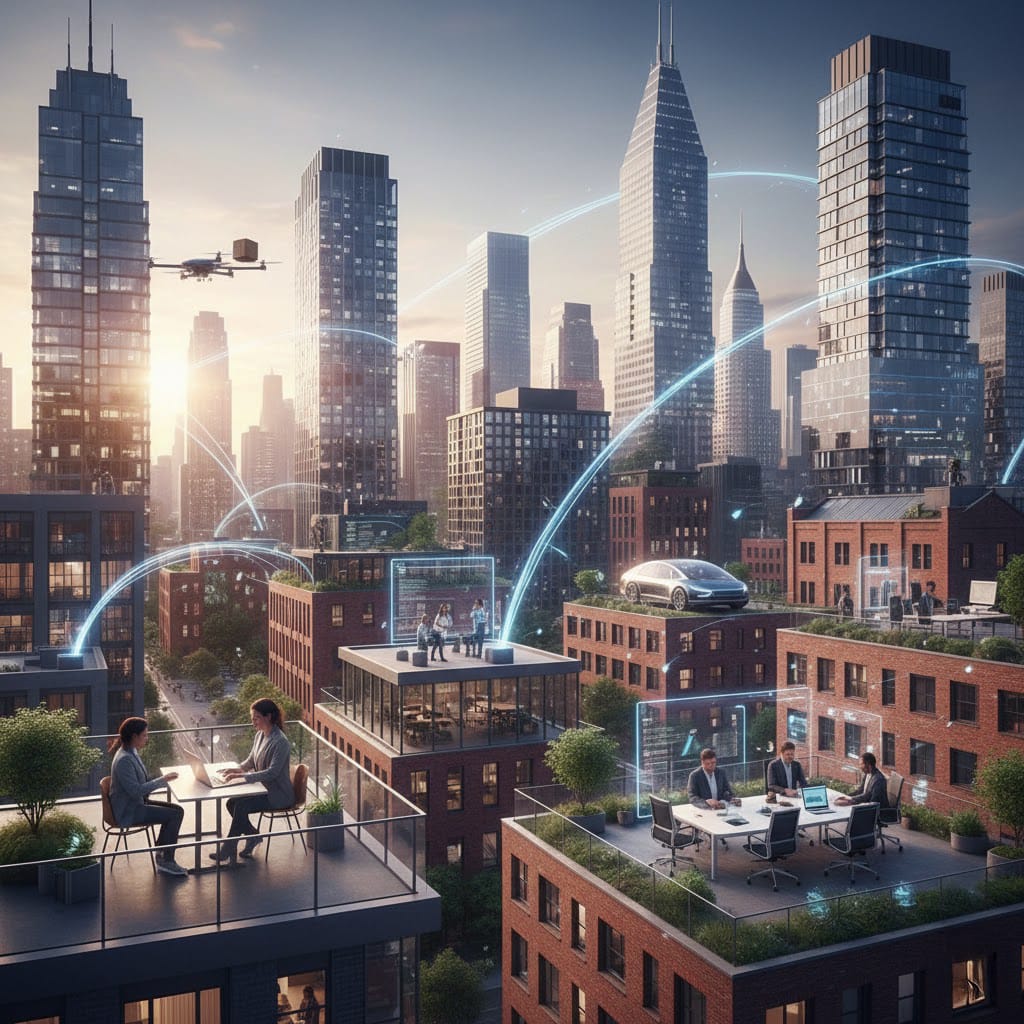
With the onset of COVID-19, our lifestyles and business processes are no longer what they used to be. New processes have emerged as the needs of both internal and external customers have evolved and changed. Most of us now prioritize working in a safe and healthy environment. Because of the coronavirus, we’ve essentially reevaluated all our habits.
Covid-19 ile birlikte daha da hızlanan dijitalleşme süreci ve dijitalleşmeye olan ihtiyaçların beraberinde, yeni meslek gruplarının ortaya çıkmasına ve çalışanların yeni beceriler kazanmasına neden olacağını daha önceki yazılarımda ele almıştım. Bu yazımda ise, sizler için iş süreçlerimizde yaşayacağımız değişimleri ele almak istedim. McKinsey Global Enstitüsü (MGI) tarafından hazırlanan ve geçtiğimiz yıl boyunca etkisini tüm dünyada hissettiren pandemi dönemi verilerinin kullanıldığı rapora göre; pandemiden önce yapılan tahminlerin gerçekleşme süreci hızlandı. Araştırma sonuçları, pandeminin etkileri nedeniyle %25’e kadar daha fazla çalışanın yeni mesleklerde iş bulması gerekebileceğini ortaya koyuyor. Kalıcı hale gelen uzaktan çalışmayla birlikte bağımsız çalışanların sayısında da artış bekleniyor.
According to a survey conducted in eight countries (China, France, Germany, India, Japan, Spain, the United Kingdom, and the United States), three key trends are highlighted. These are: the rise of remote work, the increased adoption of e-commerce and virtual interactions, and faster automation and artificial intelligence technologies.

When we examine the changes—which may be long-lasting—affecting individuals and industries that work primarily in crowded environments,
- The remote work model,
- The need for a digital workforce,
- The mobility feature,
- We are observing that organizations will need to incorporate COVID-19 safety measures into the experiences they offer to customers and employees.
White-collar workers, who have become quite accustomed to the remote work model, and the new generation of “round-collar” workers who work from home can now get their work done from home, the office, a café, an airport—in short, from anywhere they choose. While the remote work model offers mutual benefits in some sectors—serving as a source of motivation for employees and reducing costs such as office and transportation expenses for companies—and thereby increasing employee engagement, unfortunately, the remote work model is not nearly as appealing or feasible in job sectors involved in supply chain processes.
It is clear that the need for digital transformation is growing, and that areas that could pose risks in the future must be identified so that appropriate actions can be taken through technological solutions. It is essential for organizations to establish systems that minimize manual processes and errors in their current business processes and to be able to generate solutions; this is indispensable for maintaining continuity in new business processes as well.
Mobility—the ability to try out different roles, observe different industries, and work flexibly in different cities and countries—remains one of the top motivators for Generations Y and Z. This has become one of the most important aspects of both the customer and employee experience. Generations Y and Z are now taking these factors into account even when applying for jobs. Another important point I’ve observed here is how the ability to work in different cities and countries—a key aspect of mobility—will evolve into a model centered on working from a single location and online due to the COVID-19 pandemic.
Organizations prioritizing health measures in the experiences they provide to their employees and customers, as well as taking steps to protect employee and customer health in the workplace, rank among the top new precautions in our daily lives. It is necessary to implement specific measures to prevent an employee who falls ill from spreading the risk of infection to other employees, customers, or even suppliers; to establish quarantine procedures; and to develop permanent measures and solutions to protect employee health and minimize risks.
It’s certain that nothing will be the same in the world of the future! But starting today, Toward a New, Permanent Work Arrangement in the Post-Pandemic Era We must also recognize that we need to adapt and take appropriate action to prepare ourselves and our teams for this new normal. As INNOVA Corporate Training and Consulting, during the pandemic, we provided training and consulting services primarily focused on performance management for teams working from home, remote project management and process tracking, and leadership for remote teams. We believe this serves as the strongest evidence of the changes taking place in the field.
Cemil ÇINAR
Senior Supply Chain Consultant
INNOVA Education & Consulting
Founder / CEO


Innova Education