
INNOVA
INNOVA EDUCENTER
Sign Up Now!
Complete your application to begin your strategic leadership journey and secure your place in this exclusive network.


10 Days – 5 Weekends Hybrid (8 days in-person - 2 days online) Location Divan Fenerbahçe Faruk Ilgaz Facilities Kadıköy/Istanbul
November 14–15, 2026 (Saturday–Sunday) November 21–22, 2026 (Saturday–Sunday) November 28–29, 2026 (Saturday–Sunday) December 5–6, 2026 (Saturday–Sunday) December 12–13, 2026 (Saturday–Sunday)
Upon successful completion of this program, Registered with the Ministry of Industry and Technology’s "Digital Badge" system, an officially recognized certificate at the national level
Real-time supply chain crisis simulation: War Room Simulation
On the night of Saturday, December 19, a prestigious certificate ceremony and a networking-focused The Future of the Supply Chain Summit
To each participant One session of career coaching support

Build the supply chain strategy of the future, manage crises, and secure your place at the top of the industry. In rapidly digitizing and increasingly fragile global markets, the supply chain is no longer just an operational function; it is the most critical strategic backbone that determines a company’s competitive strength.
INNOVA EDUCENTER This program, which we have launched, brings together industry decision-makers and future leaders under a shared vision.
Over the course of 5 weekends, 10 comprehensive modules—ranging from S&OP excellence to omnichannel operations, and from Industry 4.0 and data analytics to risk management—offer a real-world "War Room" (War Room) is being put into practice through a crisis simulation.
Target Audience:
Supply Chain, Logistics, Operations, Planning, Procurement, and Warehouse Managers; Professionals with 5+ Years of Experience

You will participate directly in the War Room experience—where you’ll put your strategic leadership skills to the test through real-world case simulations—as well as in the prestigious gala evening organized specifically to mark the program’s conclusion.

Upon successful completion of this program, you will receive an official certificate recognized at the national level and registered in the Ministry of Industry and Technology’s "Digital Badge" system.

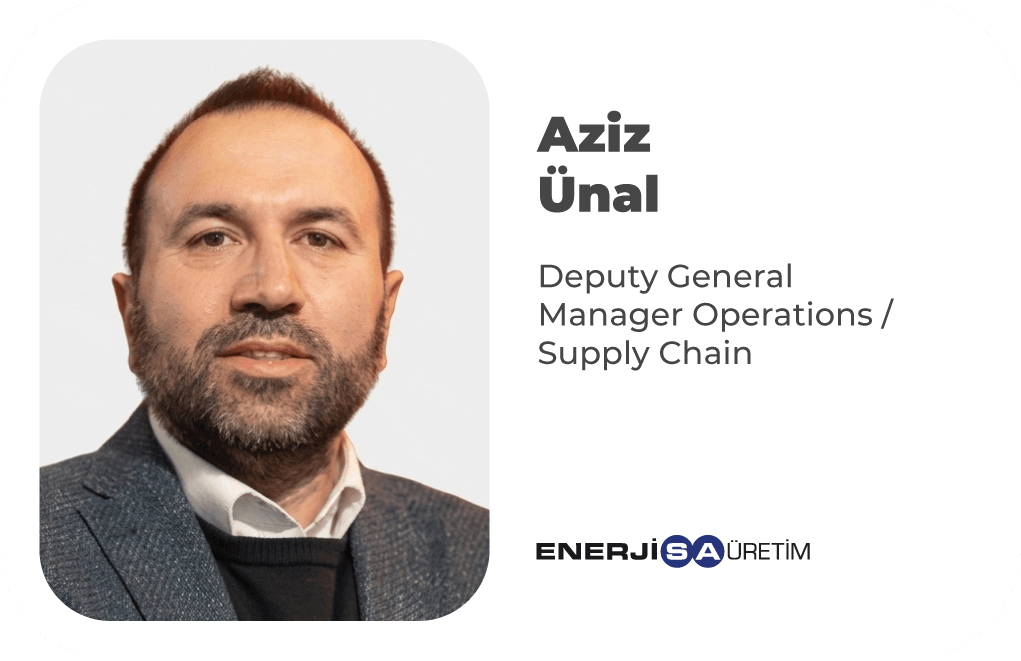

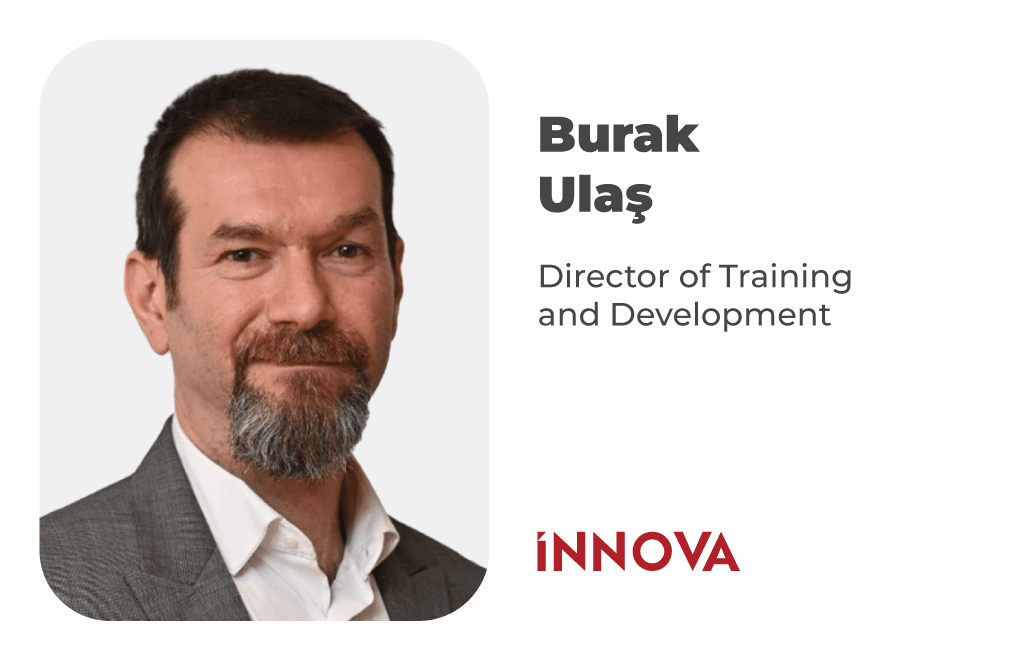
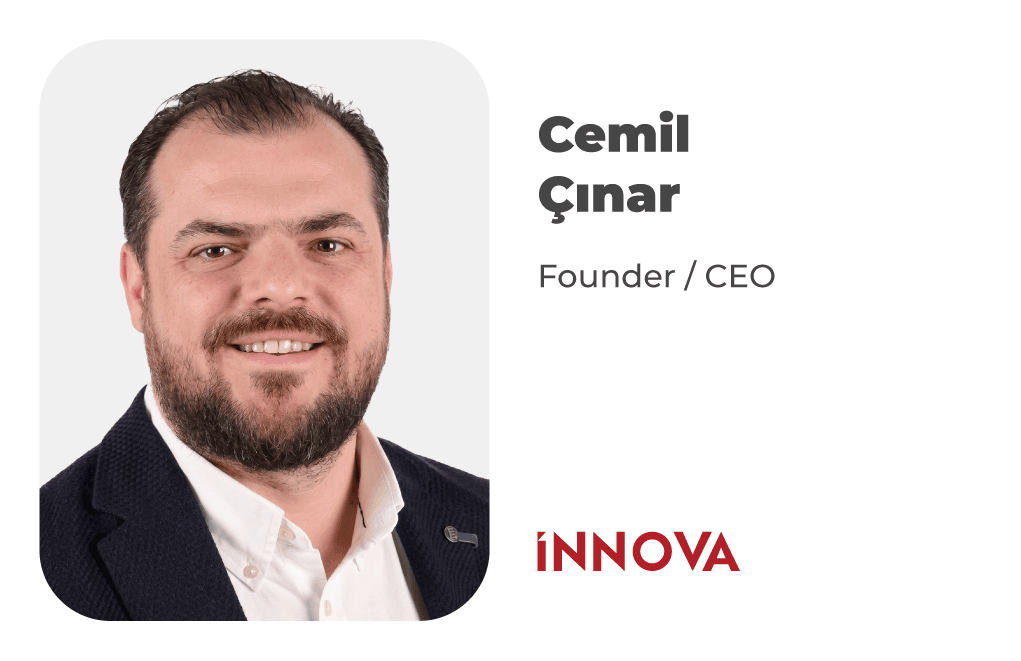


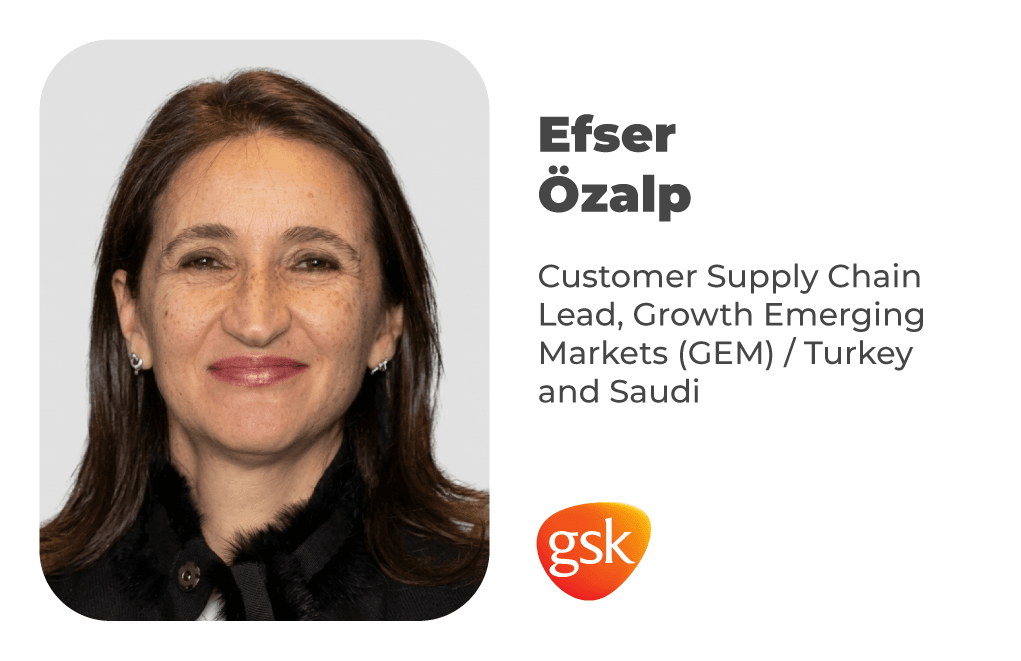



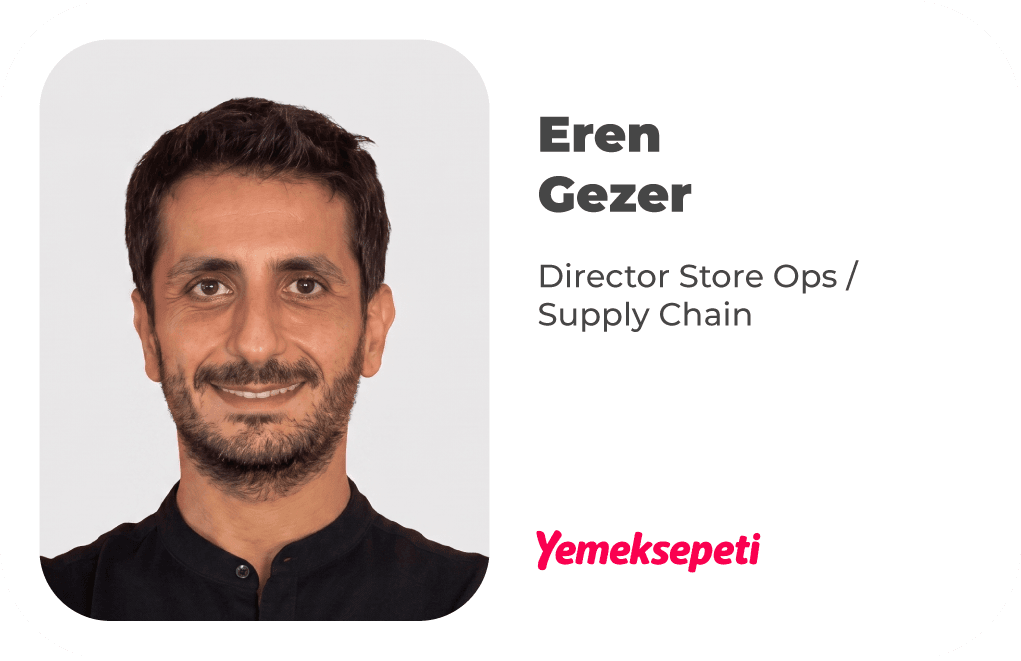
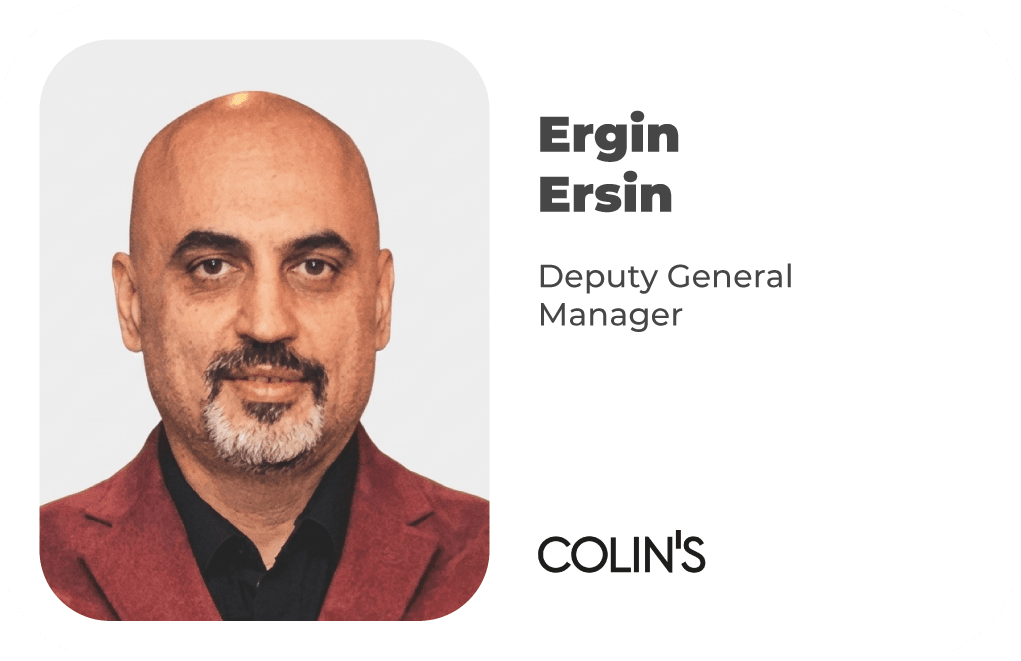

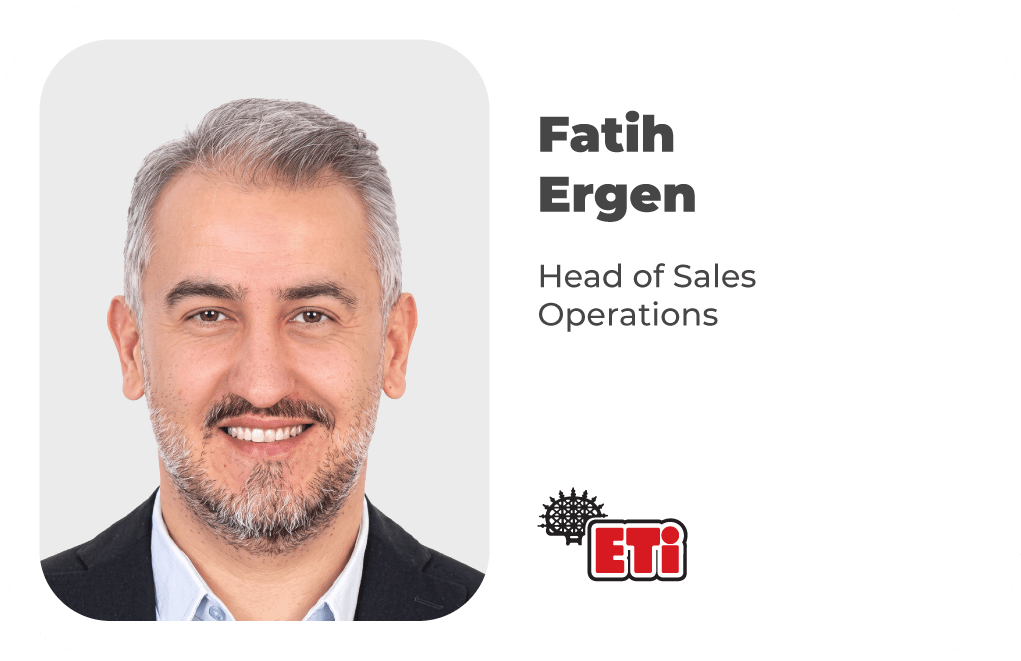

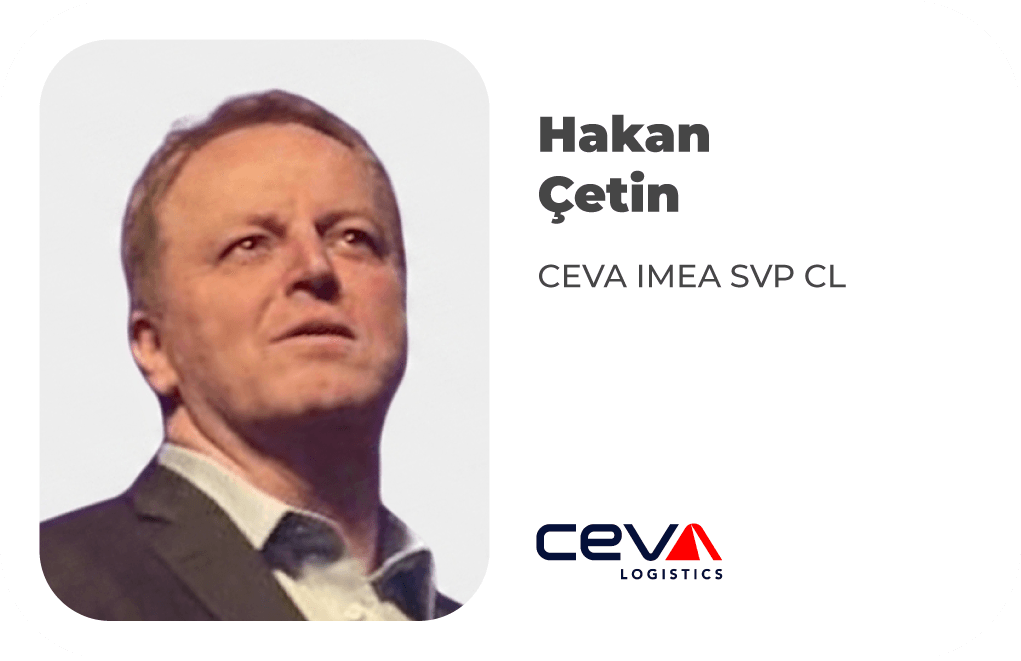

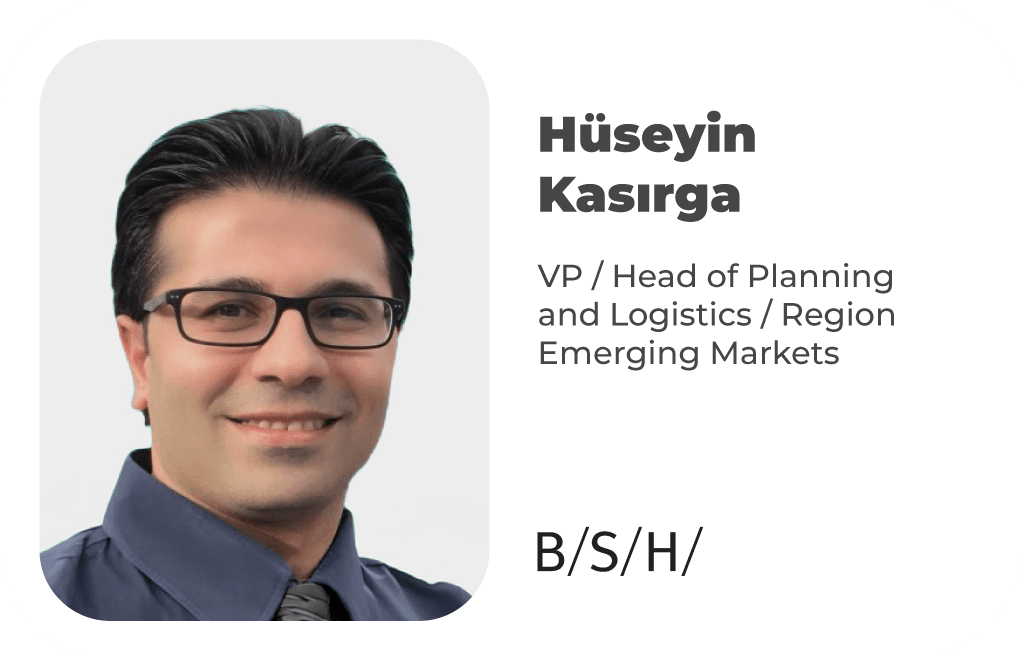
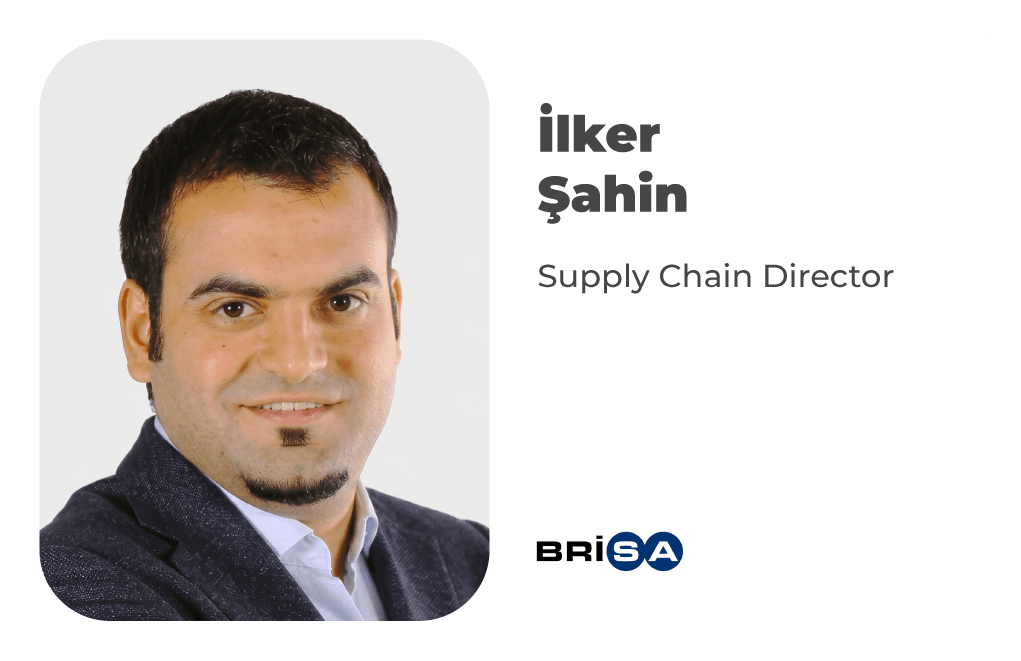
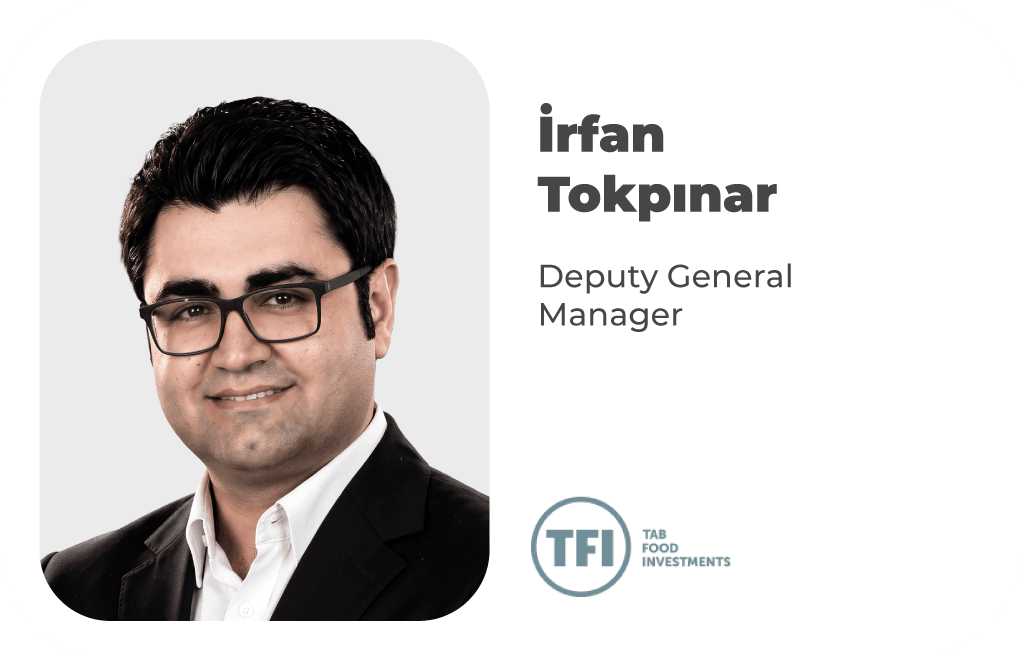
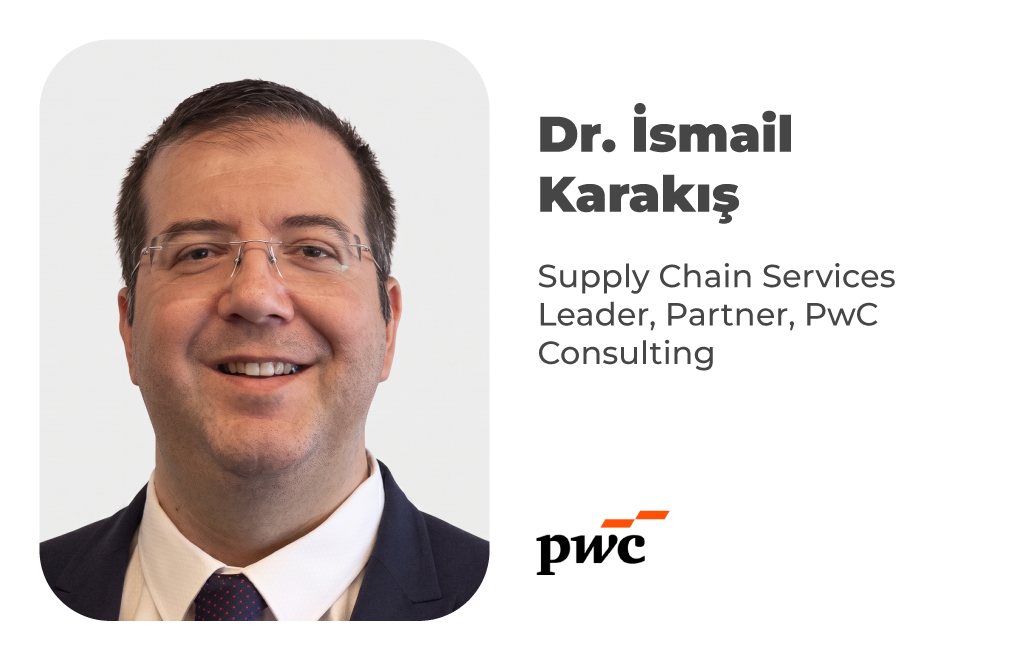


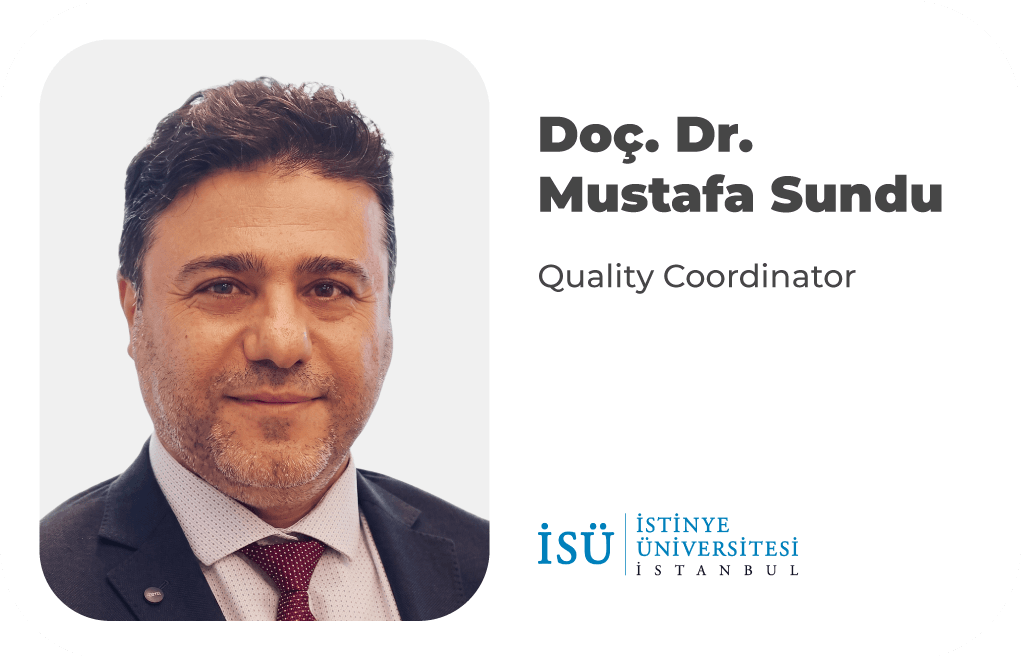
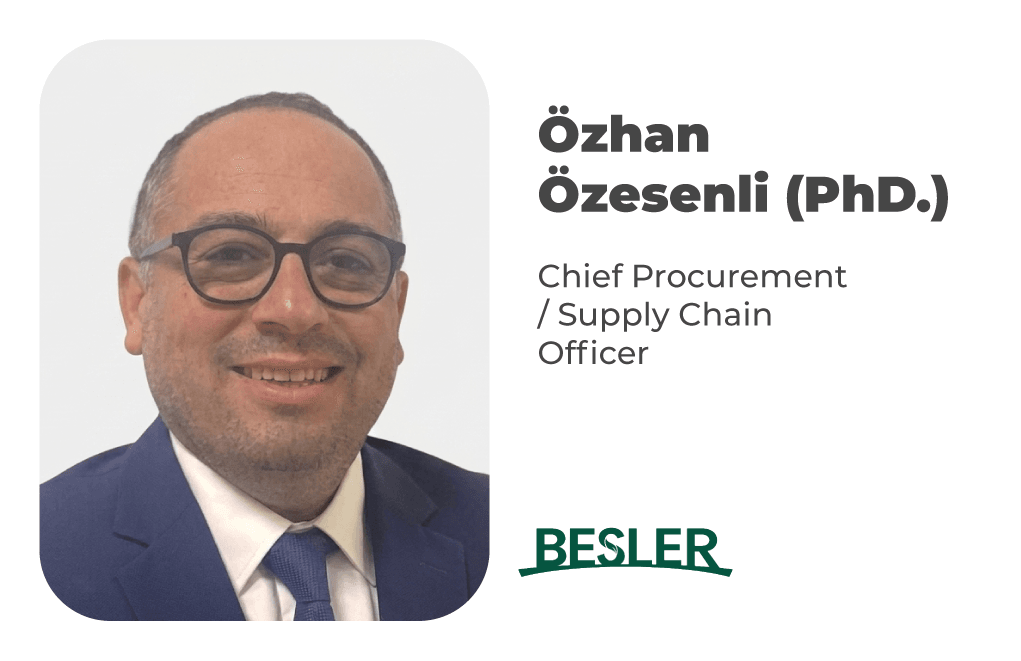



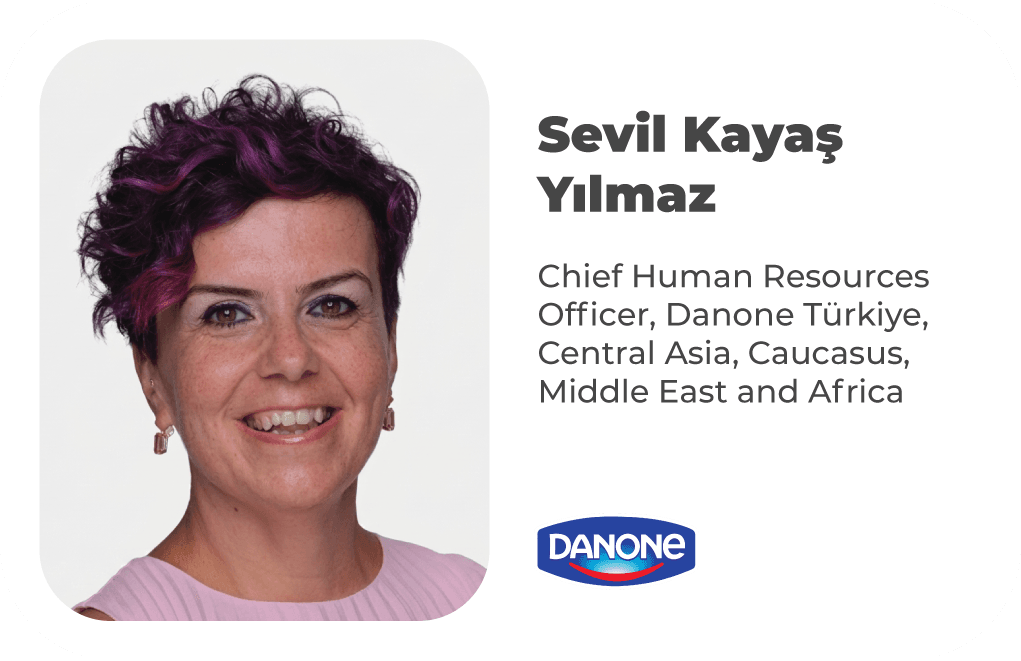
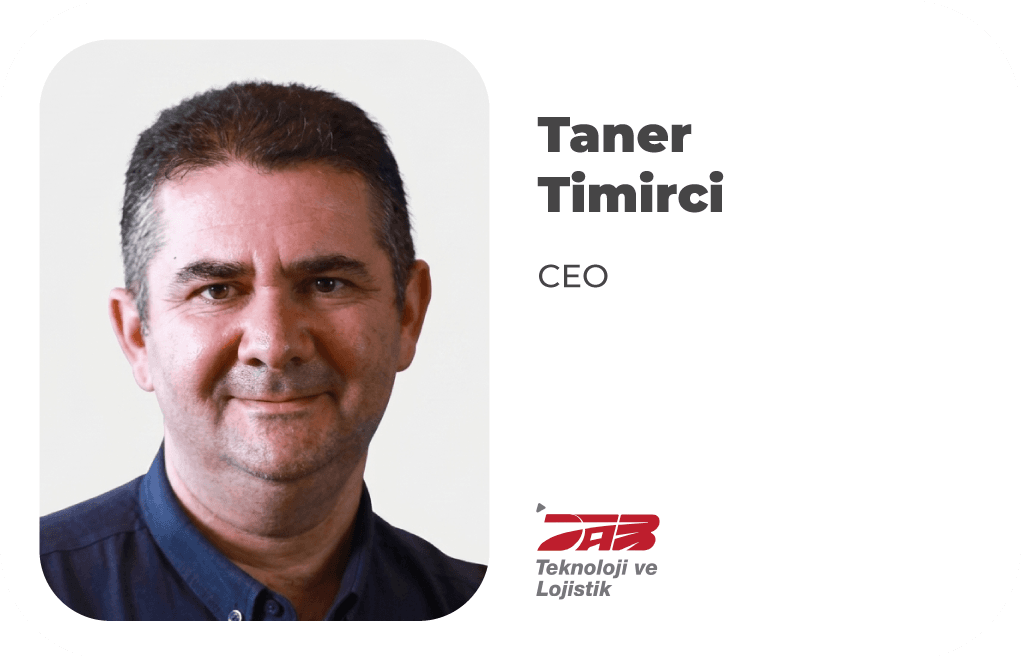


Purpose: To facilitate participants’ transition from an operational perspective to a strategic mindset; to equip them with the ability to integrate supply chain decisions with business strategy.
Sample Content:
Aligning the supply chain strategy with the business model and competitive strategy
Value Chain Mapping and Strategic Segmentation
Make-or-buy decisions and vertical integration strategies, global supply chain configuration: Centralized–Local models
Principles of supply chain design: Efficiency, responsiveness, resilience
The Impact of the Platform Economy and Ecosystem Approaches on the Supply Chain
Nearshoring, reshoring, and friendshoring strategies, and geopolitical factors
Competencies to Be Developed: Strategic thinking and business model analysis, supply chain strategy design, multi-criteria decision making and trade-off analysis, scenario planning, and strategic flexibility.
Purpose: To develop the ability to maintain a balance between supply and demand and to manage integrated business planning (IBP) processes.
Sample Content:
The S&OP Process and Organizational Structure
Demand planning methodologies
Inventory optimization: Safety stock, reorder points, service levels
Supply Planning and Capacity Constraint Management
Demand sensing and real-time demand signals
Promotional planning and event-driven demand
Integrated Business Planning (IBP) Maturity Model
Competencies to Be Developed: S&OP process design and management, demand forecasting and accuracy improvement, cross-functional planning coordination, inventory optimization, and service level balancing
Purpose: To understand that strategic procurement is a tool for creating a competitive advantage; to develop competencies in supplier development and relationship management.
Sample Content:
Strategic sourcing and category management
Supplier Segmentation: The Kraljic Matrix and Strategic Priorities
Total Cost of Ownership (TCO) Analysis
Supplier evaluation systems and performance management
Supplier Development Programs (SDP)
Collaborative Relationship Management and Co-Innovation
Contract management and risk mitigation methods
E-procurement, S2P (Source-to-Pay), and P2P (Procure-to-Pay)
Negotiation Excellence and Value-Driven Procurement
Competencies to Be Developed: Strategic sourcing and category strategy development, advanced negotiation techniques, supplier relationship management (SRM), risk-based supplier evaluation.
Purpose: To learn methods for improving operational efficiency; to develop the ability to establish a culture of Lean, Six Sigma, and continuous improvement.
Sample Content:
Warehouse management systems (WMS) and automation technologies
Picking Optimization
Placement Optimization and Layout Design
Automation systems
Blue-Collar Management and Productivity Tracking
Lean warehouse principles and 5S practices
KPI Designs
Transportation Management Systems (TMS) and Route Optimization
Competencies to Be Developed: Warehouse operations design and optimization, lean and continuous improvement methodologies, operational KPI management, evaluation of automation technologies
Purpose: To understand the supply chain requirements of e-commerce; to develop the ability to design omnichannel operations and ensure last-mile efficiency.
Sample Content:
E-commerce business models and logistics optimization practices
Multi-channel order fulfillment: in-store shipping, BOPIS (Click and Collect), same-day delivery
Micro-fulfillment centers and urban logistics centers
Quick-commerce (q-commerce) models: 10–30-minute delivery
Last-kilometer delivery optimization and dynamic route planning
Customer Experience and Delivery Commitment Management
Returns Management and Reverse Logistics
Urban mobility solutions: cargo bikes, drones, autonomous delivery
Cost Analysis and Profitability Management for Delivery Services
Competencies to Be Developed: Omnichannel supply chain design, last-mile operations management, e-commerce customer experience optimization.
Purpose: To understand how digital technologies are transforming supply chain operations and to develop the ability to manage digital transformation projects.
Sample Content:
Digital Supply Chain Maturity Model and Maturity Assessment
IoT, sensors, and real-time visibility systems
Digital twin technology
Blockchain technology
Robotic Process Automation (RPA) and AI-powered automation in supply chain processes
Cloud-based supply chain platforms (SAP IBP, Oracle, etc.)
Cybersecurity and Risk Management in the Digital Supply Chain
Digital Transformation Project Management
Competencies to Be Developed: Digital technology evaluation and selection expertise, digital transformation project management, technology ROI analysis.
Purpose: To equip participants with the ability to use data analytics and artificial intelligence applications in supply chain decision-making and to foster a data-driven leadership culture.
Sample Content:
Demand Planning and Machine Learning Applications
AI Applications in Inventory Optimization and Stock Management
Route optimization and dynamic routing software
Image processing applications (quality control, warehouse operations, etc.)
AI and LLM (ChatGPT, Claude, Gemini, etc.) applications
Competencies to Be Developed: Data literacy and analytical thinking, designing and managing AI/ML projects, understanding algorithmic logic and adapting it to business problems
Purpose: The ability to integrate ESG (Environmental, Social, Governance) criteria into the supply chain strategy; and to develop competencies in sustainability reporting and compliance management.
Sample Content:
Is sustainability a business risk or an opportunity?
Sustainable supplier management and ESG assessment systems
Green logistics: Electric vehicles, alternative fuels, last-mile optimization
Sustainability reporting standards (GRI, SASB, TCFD, CSRD)
Product Life Cycle Analysis and Carbon Footprint Calculation
Circular economy models: Reverse logistics, remanufacturing, etc.
Competencies to Be Developed: ESG risk and opportunity assessment, carbon footprint measurement and reporting, designing circular economy business models, and developing sustainability strategies.
Purpose: To develop the ability to systematically manage supply chain risks; make quick decisions during crises; and design resilient systems.
Sample Content:
Geopolitical risks: Trade wars, sanctions, political instability
Natural disasters and climate risk
Cybersecurity Threats and Operational Continuity
The Impact of Pandemics and Health Crises on the Supply Chain
Crisis Management Simulation
Scenario Planning and Stress Testing
Bench Preparation (Critical Staff Backup)
Competencies to Be Developed: Risk assessment and prioritization, scenario analysis and emergency plans, crisis management and rapid decision-making, building organizational resilience
Purpose: The ability to lead supply chain transformations; developing competencies in team management, stakeholder management, and change management.
Sample Content:
Supply chain organizational structures: Centralized, regional, hybrid
The Evolving Role of Supply Chain Leadership: Strategic Partner
Interdisciplinary Leadership and Matrix Organization Management
Change Management
Design and Management of Transformation Programs
Building a Supply Chain Culture
Talent Management
Communication Excellence
Personal Leadership Development and Career Strategy
Competencies to Be Developed: Strategic leadership and vision-setting, change management and transformation leadership, interdisciplinary influence and stakeholder management, team development and talent management.
Purpose: To facilitate participants’ transition from an operational perspective to a strategic mindset; to equip them with the ability to integrate supply chain decisions with business strategy. Sample Content: Aligning the supply chain strategy with the business model and competitive strategy Value Chain Mapping and Strategic Segmentation Make-or-buy decisions and vertical integration strategies, global supply chain configuration: Centralized vs. Decentralized models Principles of supply chain design: Efficiency, responsiveness, resilience The Impact of the Platform Economy and Ecosystem Approaches on the Supply Chain Nearshoring, reshoring, and friendshoring strategies, and geopolitical factors Competencies to Be Developed: Strategic thinking and business model analysis, supply chain strategy design, multi-criteria decision making and trade-off analysis, scenario planning, and strategic flexibility.
Purpose: To develop the ability to maintain a balance between supply and demand and to manage integrated business planning (IBP) processes. Sample Content: The S&OP Process and Organizational Structure Demand planning methodologies Inventory optimization: Safety stock, reorder points, service levels Supply Planning and Capacity Constraint Management Demand sensing and real-time demand signals Promotional planning and event-driven demand Integrated Business Planning (IBP) Maturity Model Competencies to Be Developed: S&OP process design and management, demand forecasting and accuracy improvement, cross-functional planning coordination, inventory optimization, and service level balancing
Purpose: To understand that strategic procurement is a tool for creating a competitive advantage; to develop competencies in supplier development and relationship management. Sample Content: Strategic sourcing and category management Supplier Segmentation: The Kraljic Matrix and Strategic Priorities Total Cost of Ownership (TCO) Analysis Supplier evaluation systems and performance management Supplier Development Programs (SDP) Collaborative Relationship Management and Co-Innovation Contract management and risk mitigation methods E-procurement, S2P (Source-to-Pay), and P2P (Procure-to-Pay) Negotiation Excellence and Value-Driven Procurement Competencies to Be Developed: Strategic sourcing and category strategy development, advanced negotiation techniques, supplier relationship management (SRM), risk-based supplier evaluation.
Purpose: To learn methods for improving operational efficiency; to develop the ability to establish a culture of Lean, Six Sigma, and continuous improvement. Sample Content: Warehouse management systems (WMS) and automation technologies Picking Optimization Placement Optimization and Layout Design Automation systems Blue-Collar Management and Productivity Tracking Lean warehouse principles and 5S practices KPI Designs Transportation Management Systems (TMS) and Route Optimization Competencies to Be Developed: Warehouse operations design and optimization, lean and continuous improvement methodologies, operational KPI management, evaluation of automation technologies
Purpose: To understand the supply chain requirements of e-commerce; to develop the ability to design omnichannel operations and ensure last-mile efficiency. Sample Content: E-commerce business models and logistics optimization practices Multi-channel order fulfillment: in-store shipping, BOPIS (Click and Collect), same-day delivery Micro-fulfillment centers and urban logistics centers Quick-commerce (q-commerce) models: 10–30-minute delivery Last-kilometer delivery optimization and dynamic route planning Customer Experience and Delivery Commitment Management Returns Management and Reverse Logistics Urban mobility solutions: cargo bikes, drones, autonomous delivery Cost Analysis and Profitability Management for Delivery Services Competencies to Be Developed: Omnichannel supply chain design, last-mile operations management, e-commerce customer experience optimization.
Purpose: To understand how digital technologies are transforming supply chain operations and to develop the ability to manage digital transformation projects. Sample Content: Digital Supply Chain Maturity Model and Maturity Assessment IoT, sensors, and real-time visibility systems Digital twin technology Blockchain technology Robotic Process Automation (RPA) and AI-powered automation in supply chain processes Cloud-based supply chain platforms (SAP IBP, Oracle, etc.) Cybersecurity and Risk Management in the Digital Supply Chain Digital Transformation Project Management Competencies to Be Developed: Digital technology evaluation and selection expertise, digital transformation project management, technology ROI analysis.
Purpose: To equip participants with the ability to use data analytics and artificial intelligence applications in supply chain decision-making and to foster a data-driven leadership culture. Sample Content: Demand Planning and Machine Learning Applications AI Applications in Inventory Optimization and Stock Management Route optimization and dynamic routing software Image processing applications (quality control, warehouse operations, etc.) AI and LLM (ChatGPT, Claude, Gemini, etc.) applications Competencies to Be Developed: Data literacy and analytical thinking, designing and managing AI/ML projects, understanding algorithmic logic and adapting it to business problems
Purpose: The ability to integrate ESG (Environmental, Social, Governance) criteria into the supply chain strategy; and to develop competencies in sustainability reporting and compliance management. Sample Content: Is sustainability a business risk or an opportunity? Sustainable supplier management and ESG assessment systems Green logistics: Electric vehicles, alternative fuels, last-mile optimization Sustainability reporting standards (GRI, SASB, TCFD, CSRD) Product Life Cycle Analysis and Carbon Footprint Calculation Circular economy models: Reverse logistics, remanufacturing, etc. Competencies to Be Developed: ESG risk and opportunity assessment, carbon footprint measurement and reporting, designing circular economy business models, and developing sustainability strategies.
Purpose: To develop the ability to systematically manage supply chain risks; make quick decisions during crises; and design resilient systems. Sample Content: Geopolitical risks: Trade wars, sanctions, political instability Natural disasters and climate risk Cybersecurity Threats and Operational Continuity The Impact of Pandemics and Health Crises on the Supply Chain Crisis Management Simulation Scenario Planning and Stress Testing Bench Preparation (Critical Staff Backup) Competencies to Be Developed: Risk assessment and prioritization, scenario analysis and emergency plans, crisis management and rapid decision-making, building organizational resilience
Purpose: To enable participants to solve problems collaboratively in real-world business scenarios and to apply the knowledge gained throughout the program by integrating it. Concept: Real-time supply chain crisis simulation. Participants are divided into teams of 4–5 people and are given a complex supply chain crisis scenario (e.g., bankruptcy of a critical supplier, port strike, cyberattack, pandemic scenario). "During the "War Room" session, teams analyze the situation and develop action plans. Afterward, each team gives a presentation to management. A jury composed of professional consultants, academics, and industry leaders conducts the evaluation. The team with the best performance receives an award.
Purpose: The ability to lead supply chain transformations; developing competencies in team management, stakeholder management, and change management. Sample Content: Supply chain organizational structures: Centralized, regional, hybrid The Evolving Role of Supply Chain Leadership: Strategic Partner Interdisciplinary Leadership and Matrix Organization Management Change Management Design and Management of Transformation Programs Building a Supply Chain Culture Talent Management Communication Excellence Personal Leadership Development and Career Strategy Competencies to Be Developed: Strategic leadership and vision-setting, change management and transformation leadership, interdisciplinary influence and stakeholder management, team development and talent management.
Concept: An inspiring summit evening that brings together leaders from Turkey and the global supply chain ecosystem, featuring a prestigious awards ceremony. Program Schedule: Reception and Cocktail Party Opening and Vision SpeechesCertificate Ceremony Gala Dinner Closing
Complete your application to begin your strategic leadership journey and secure your place in this exclusive network.

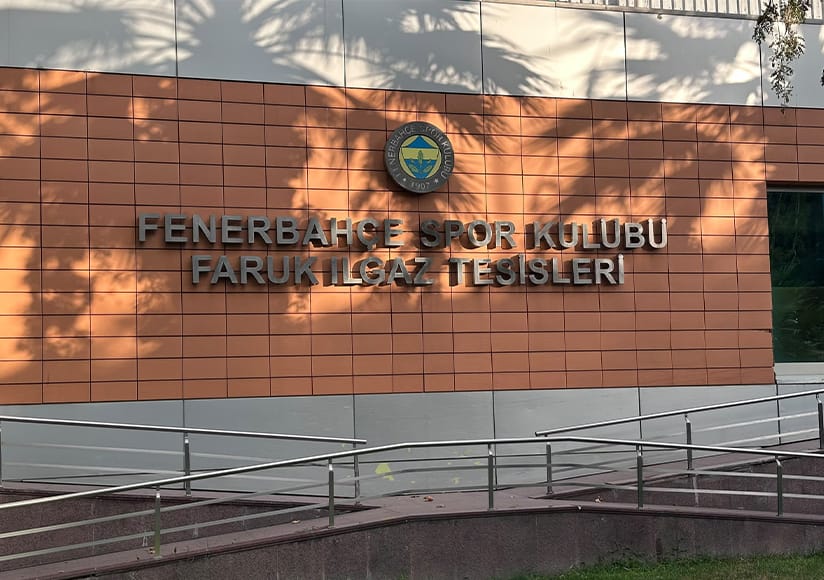
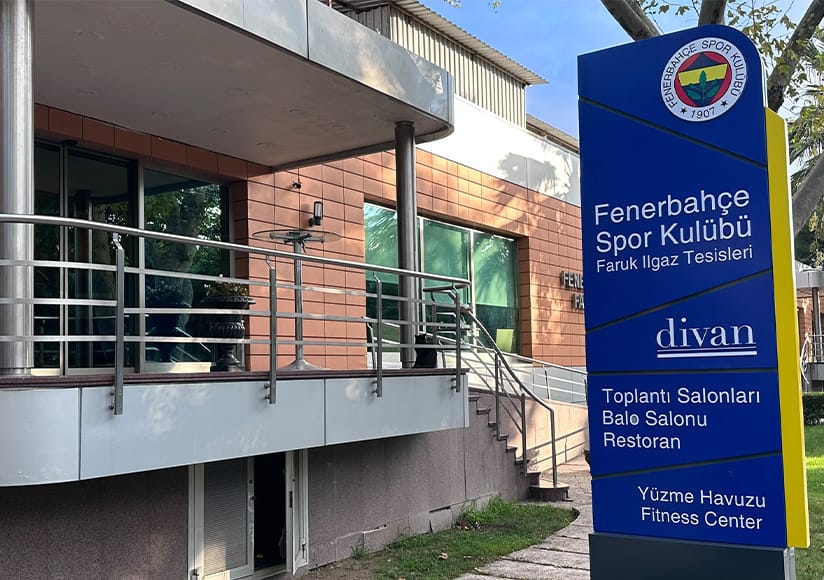


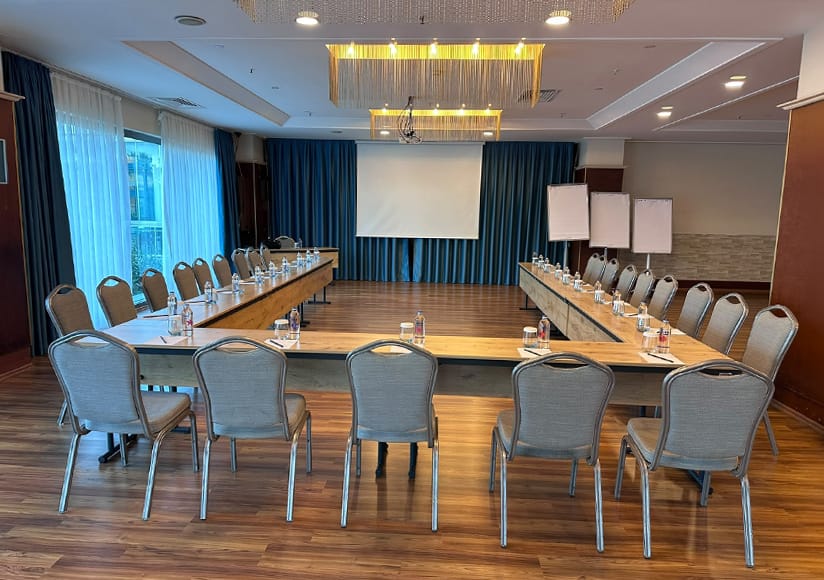
Address: Fenerbahçe Neighborhood, Kalamış Street, Fenerbahçe Burnu, No. 10, 34726 Kadıköy/Istanbul
Phone: (0216) 550 19 07

We add value to your business through strategy, technology, and training, and drive sustainable growth.
